


Are you looking for a side hustle to boost your income?
Agriculture is the best place to start. Food will always be in demand, which requires creative ways of farming and trading farm products.
The beauty of agricultural side hustles is that you don’t need huge land or millions in the bank to get started. With as little as Ksh 5,000, you can set up something small that grows with time.
And if you have more capital – say up to Ksh 500,000 – you can scale faster into profitable agribusiness.
In this article, we will explore the best agriculture-related side hustles that you should consider. But first, let’s talk about how to pick the side hustle that fits you.
How to Pick the Right Side Hustle
Not every side hustle will fit your lifestyle, location, or budget.
Before we start, here is a quick list of the four factors to consider when picking an agriculture based side hustle :
- Budget
- Space and location
- How fast do you need returns
- Market access
Your Budget
- Low budget (Ksh 5,000 – 20,000): Perfect for sack or bucket vegetables, one or two beehives, starting a mini nursery for fruit seedlings, or even setting up a small mushroom unit.
- Medium budget (Ksh 20,000 – 100,000): Enough for 50 kienyeji layers, 100 broilers, 40–80 mushroom bags, or a few passion vines along your fence. You could also test small produce brokerage or a digital farm produce delivery service.
- Higher budget (Ksh 100,000 – 500,000): Allows you to set up one or two fish ponds, a small piggery, strawberries on 1/8 acre, or an expanded nursery business that supplies hundreds of farmers.
Your Space and Location
- Urban or peri-urban dwellers: Try sack gardens, mushrooms in a spare room, container herbs on a balcony, or layers in a compact coop. You can also run a digital produce delivery service right from your phone.
- Rural and peri-urban areas: Think fish ponds, pig farming, strawberries, passion fruit trellises, or beekeeping. These ventures need more space and work best where land and natural resources are easier to access.
- Flexible ventures: Nurseries, mushrooms, poultry, and produce brokerage can work anywhere if planned well.
How Fast You Need Returns
- Quick earners (1–2 months): Mushrooms can give you harvest in as little as 3–8 weeks. Broilers take 5 – 6 weeks to reach market weight.
- Moderate time (3–4 months): Strawberries and sack vegetables start giving you cash. Passion vines may also yield in this period if conditions are good.
- Longer term (6–8 months): Fish and pigs need more patience but give bigger lump-sum returns.
- Seasonal earners: Honey from beehives is harvested 2–3 times a year once colonies are strong.
Market Access
- Eggs, vegetables, and chicken meat move quickly in towns and estates.
- Honey, fruits, and seedlings fetch good money but require finding steady buyers.
- Perishable crops like strawberries need pre-orders or cold storage to avoid losses.
- Services like produce brokerage or training earn on every deal or class.
Don’t put all your eggs in one basket. Pair one hustle that gives steady weekly income (like eggs) with another that pays seasonally or in bulk (like fruits or fish). That way, your cash flow stays healthy all year.
We will start with the low-capital side hustles.

Low-Capital Side Hustles (Ksh 5,000 – 20,000)
You don’t need a fortune to get started in agribusiness.
With as little as Ksh 5,000, you can start a practical side hustle that feeds your family and puts cash in your pocket.
Here are some proven ideas you can start small and grow with time:
1. Gunia Gardening and Backyard Vegetables
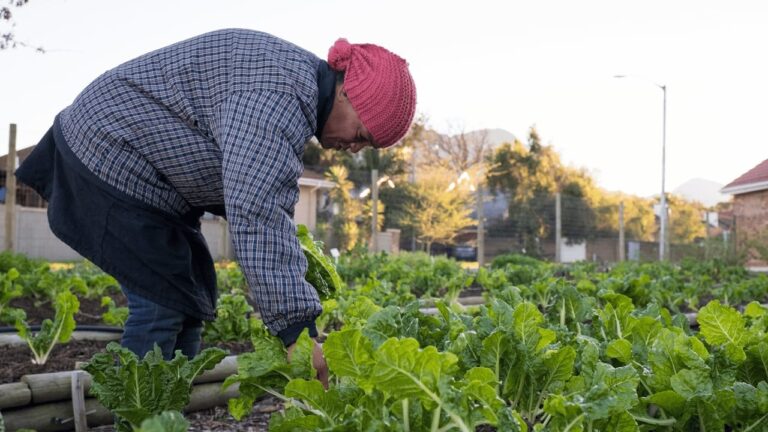
If you live in an estate, town, or even in a rural area with limited land, sack (gunia) gardening is a great entry point.
A gunny sack filled with soil and manure can host up to 40 sukuma wiki or spinach plants. With just 10 sacks, you have 400 plants right at your doorstep.
- What you need: Gunias (gunny sacks) at Ksh 200 each, good soil, manure, and seedlings (Ksh 100 per packet).
- Costs: From Ksh 2,000 to 5,000 to start a small unit.
- Returns: A bundle of sukuma goes for Ksh 10–20 in most towns. If your 10 sacks give you 30 bundles a week, you can make Ksh 300–600 weekly (about Ksh 2,400 a month). Scale up with more sacks and you multiply the income.
- Best for: Urban and peri-urban dwellers who want fresh vegetables and some extra cash.
2. Mushroom Farming
Mushrooms are a high-value crop with quick returns. A small dark room or store can be converted into a mushroom unit. Oyster mushrooms are easy for beginners.
- What you need: Plastic bags, substrate (straw, sawdust, or coffee husks), mushroom spawn (seeds), and basic training.
- Costs: About Ksh 10,000 to 15,000 for 50 grow bags.
- Returns: Each kilo sells at Ksh 600–800. Fifty bags can give you 20 kg in one cycle, earning up to Ksh 12,000. Since mushrooms mature in 3–8 weeks, you can run multiple cycles per year.
- Best for: Urban and rural areas. Works in small spaces if you can maintain cool, humid conditions.
3. Beekeeping (1–2 Hives)
One hive can sit quietly in a corner of your compound or farm and still bring in income. Bees forage on their own, so your work is mainly setting up the hive and harvesting.
- What you need: A Kenya Top Bar hive (Ksh 3,000–6,000), protective gear (Ksh 5,000), and a water source nearby.
- Costs: From Ksh 8,000 to 12,000 for one hive and basic gear.
- Returns: One hive yields 10–20 kg of honey per year. At Ksh 500–800 per kilo, you can make Ksh 5,000–15,000 annually per hive. With two hives, you double that.
- Best for: Rural and peri-urban areas with flowers, trees, or farms nearby.
4. Mini Fruit Tree Nursery
Raising seedlings is one of the cheapest and most profitable side hustles. With polybags, soil, and a few grafted scions, you can sell seedlings to farmers and homeowners.
- What you need: Polybags, soil mixed with manure, water, and scions from certified sources.
- Costs: About Ksh 5,000 to 10,000 to raise 200–300 seedlings.
- Returns: Seedlings sell for Ksh 100–200 each. Selling 200 seedlings can bring in Ksh 20,000–40,000.
- Best for: All regions, especially areas with active farmers or near towns where fruit trees are in demand.
Medium-Capital Side Hustles (Ksh 20,000 – 100,000)
With a bit more money to spare, you can get into side hustles that bring in stronger and more regular income.
These ventures need more planning than vertical gunia gardens or a single beehive, but the rewards are worth it if you manage them well.
5. Poultry Farming (Layers and Broilers)
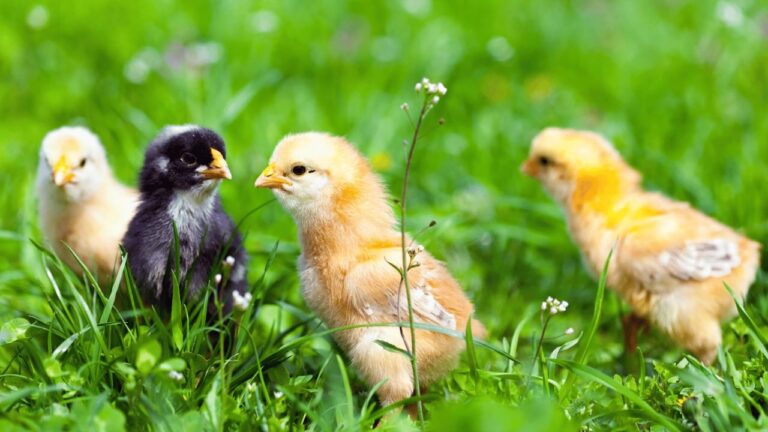
Chicken farming is one of Kenya’s most reliable agribusinesses. With Ksh 20,000 to 100,000, you can rear broilers for meat or layers for eggs.
- What you need: A simple poultry house, day-old chicks, feeders, drinkers, and starter feeds.
- Costs: Ksh 30,000 can get you 50 layers (at ~Ksh 150 each), feed, and housing. About Ksh 60,000–100,000 sets you up for 100 broilers with proper housing and feed.
- Returns:
- Layers: A flock of 50 hens can produce ~40 eggs daily. At Ksh 15 each, that’s Ksh 18,000 a month gross.
- Broilers: A batch of 100 can be sold after 6 weeks, netting Ksh 5,000–7,000 profit per cycle.
- Best for: Urban backyards (small flocks in coops) and rural setups (larger free-range or semi-intensive units).
6. Strawberry Farming on 1/8 Acre
Strawberries are high-value fruits that can transform even a small plot into a money-maker.
- What you need: About 3,000 seedlings for 1/8 acre, quality manure, fertilizer, and irrigation.
- Costs: Roughly Ksh 45,000 (Ksh 30,000 for seedlings and Ksh 15,000 for inputs).
- Returns: A well-managed 1/8 acre can produce 30–50 kg weekly. At Ksh 200/kg, that’s about Ksh 40,000 a month. With improved methods like aquaponics, yields can triple, giving Ksh 100,000 a month.
- Best for: Peri-urban and rural areas with steady water supply.
7. Passion Fruit Farming (Trellised Vines)
Passion fruits are in high demand for juices, export, and local markets. They can be grown along fences, making them space-efficient.
- What you need: Grafted seedlings (~Ksh 40 each), poles, and wires for trellises.
- Costs: Around Ksh 50,000–80,000 for a quarter-acre, but you can start smaller with 20 vines for under Ksh 5,000.
- Returns: A quarter-acre can bring Ksh 200,000–300,000 a year at Ksh 70–100 per kilo. Even a few vines along a fence can give seasonal pocket income.
- Best for: Almost all regions except very wet or very cold zones.
8. Small-Scale Brokerage (Connecting Farmers and Buyers)
If you are good at networking, you can earn money by linking farmers with markets instead of farming yourself.
For example, Agriculture KE WhatsApp group links over 1000+ farmers to buyers and markets countrywide.
- What you need: A phone, transport money, and trust from both buyers and farmers.
- Costs: Starting with Ksh 20,000–50,000 is enough to cover transport, packaging, or even buying a small batch of produce to resell.
- Returns: Brokers often earn 5–10% commission on deals. For example, connecting a farmer with a trader buying 1 ton of French beans at Ksh 80/kg earns you about Ksh 8,000. Weekly deals can add up quickly.
- Best for: Urban entrepreneurs with rural connections.
Higher-Capital Side Hustles (Ksh 100,000 – 500,000)
If you have a bigger budget, you can step into agribusiness ventures that demand more setup but bring in stronger and more reliable income.
These are the kinds of hustles that, with good management, can easily grow into full-time businesses.
9. Fish Farming (Tilapia and Catfish)
Fish demand in Kenya is bigger than local supply, which is why we import tons of fish every year. A small pond or tank system can turn this gap into your income stream.
- What you need: A fish pond or concrete/plastic tanks, fingerlings, feed, and reliable water.
- Costs: Ksh 150,000–300,000 to dig and stock a medium pond. Tank systems are cheaper, around Ksh 100,000–150,000.
- Returns: A 300m² pond stocked with 1,000 tilapia fingerlings can give 175 kg after 6–8 months. At Ksh 300–400 per kilo, you earn about Ksh 60,000 gross per cycle. With multiple ponds or faster-growing catfish, you can net Ksh 75,000 per month once operations stabilize.
- Best for: Rural and peri-urban areas with water access.
10. Pig Farming
Pigs are efficient feeders and mature fast. With 2–5 pigs, you can earn lump-sum cash in under 8 months.
- What you need: A pigsty, piglets, feed, and regular vet care.
- Costs: About Ksh 150,000–200,000 for a small breeding unit (1 boar and 3 sows). Starting with 2 piglets costs much less, around Ksh 20,000–50,000.
- Returns: A pig bought at Ksh 4,000 and sold after 6 months can fetch Ksh 15,000. Farmers who butcher and sell pork directly make even more—about Ksh 26,000 profit per pig. With just 5 pigs, that’s over Ksh 130,000 in one cycle.
- Best for: Peri-urban and rural areas.
11. Expanded Seedling Nursery
When you scale up a nursery, you move from supplying a few neighbors to supplying farmers, NGOs, and even county governments.
- What you need: Shade nets, water system, thousands of polybags, and mother plants or scions.
- Costs: Ksh 100,000–300,000 for a decent nursery setup with thousands of seedlings.
- Returns: Selling 1,000 seedlings at Ksh 150 each brings Ksh 150,000. Bigger nurseries with variety (avocado, mango, citrus, pawpaw, pixies) can generate steady six-figure revenues in planting seasons.
- Best for: All regions.
12. Strawberry Farming at Scale
With Ksh 150,000–200,000, you can establish 1/8 acre of strawberries with irrigation and quality inputs.
- What you need: Land, seedlings, irrigation, manure, and agro-chemicals.
- Costs: Around Ksh 45,000 for seedlings and inputs plus Ksh 100,000+ for irrigation and management.
- Returns: 30–50 kg weekly at Ksh 200/kg = ~Ksh 40,000 a month. With aquaponics or drip irrigation, you can triple yields to over Ksh 100,000 a month.
- Best for: Peri-urban and rural setups with good water access.
With higher capital, these side hustles can move you from “extra income” to serious agribusiness profits. They require more management, but the returns are attractive and have ready markets.
Contact us at Agriculture KE for a detailed plan for any agribusiness venture you wish to try out. Our team will compile a practical budget, workplan and establish a solid monitoring and evaluation plan for your farming venture. Contact us to day at (+254714004949).
Non-Farming Agribusiness Side Hustles
Not every side hustle requires yo uto dig, feed animals, or manage crops. Some of the most promising opportunities in 2025 involve service delivery, knowledge, and digital solutions.
These ventures suit people who may not have land but have networks, skills, or creativity.
13. Produce Brokerage and Aggregation
Instead of farming, you can make money by connecting farmers to buyers.
- What you need: A phone, transport money, and reliable farmer and buyer contacts.
- Costs: Ksh 20,000–100,000 to cover travel, packaging, and small logistics.
- Returns: Brokers often earn 5–10% per deal. If you connect 1 ton of beans at Ksh 80/kg, that’s a clean Ksh 8,000 commission. Multiple deals in a month can add up to steady income.
- Best for: Urban entrepreneurs with rural connections.
14. Agribusiness Training and Consultancy
Kenyans are hungry for knowledge on farming. If you have experience (or are willing to learn and package it) you can teach and earn.
- What you need: Farming experience, a demo plot or model farm, or even online training materials.
- Costs: From Ksh 10,000 to 50,000 for venue hire, training materials, or online setup.
- Returns: Charging Ksh 1,000 per person for a training with 20 attendees = Ksh 20,000 in one day. Online courses and e-books can generate passive sales too.
- Best for: All regions, especially for experienced farmers or agri-professionals.
15. Digital Farming Platforms
With smartphones everywhere, you can set up a digital shopfront for farm produce. Even a WhatsApp group or Facebook page can become a produce marketplace.
- What you need: A strong online presence, trust, and sometimes a simple e-commerce site.
- Costs: Ksh 20,000–100,000 for branding, ads, and basic logistics.
- Returns: Adding a 20% margin on farm produce can make you thousands weekly. For example, buying watermelons at Ksh 20/kg and selling at Ksh 40/kg in the city.
- Best for: Urban-based hustlers with internet access and social media skills.
16. Agribusiness Content Creation
Farmers are constantly searching for answers online. If you can document your farming journey on YouTube, TikTok, or a blog, you can attract viewers and earn.
- What you need: A smartphone camera, internet, and consistency.
- Costs: Very low—mostly data bundles and time. Scaling up may require Ksh 20,000–50,000 for better gear.
- Returns: YouTube ads, sponsorships, and e-book sales can earn Ksh 20,000–100,000+ per month once your audience grows.
- Best for: Anyone who enjoys sharing knowledge or storytelling.
Using Social Media and AI Tools to Boost Your Hustle
No matter which side hustle you choose, how you market and manage it will decide how far it goes.
In 2025, the most successful agripreneurs are blending social media visibility with AI-powered tools to save time, cut costs, and reach more customers.
17. Social Media Marketing
- Facebook & WhatsApp: Great for reaching local buyers. You can post weekly updates of eggs, vegetables, or fruits for sale. A strawberry farmer in Kiambu doubled sales just by posting photos of fresh punnets in a Facebook market group.
- Instagram & TikTok: Perfect for showing visuals. Short clips of mushroom harvesting or fish feeding attract attention. Add captions like “Fresh tilapia from Kisumu – DM to order.”
- YouTube: Share practical tutorials or your journey as a farmer. As your subscribers grow, so do sponsorship and ad opportunities.
Always post clear photos, prices, and pickup or delivery options. Consistency builds trust.
18. AI Tools for Farmers
- PlantVillage App: Take a photo of your crop, and AI detects pests or diseases instantly.
- Virtual Agronomist (WhatsApp chatbot): Farmers feed in data like soil type and crop, and it gives fertilizer recommendations. One Kericho coffee farmer tripled yields using this tool.
- ChatGPT & Similar Tools: Draft product descriptions, create farm flyers, or even calculate feed rations.
These tools act like 24/7 assistants, reducing mistakes and improving results.
19. Branding with AI and Design Apps
Use Canva to design logos, business cards, and social media posters.
- AI video tools can generate short promo videos for honey, vegetables, or training services.
- Attractive branding makes your produce stand out, especially if you’re targeting supermarkets or direct-to-consumer sales.
20. Digital Record-Keeping
Use simple apps or AI-powered spreadsheets to track costs, sales, and profits.
Automated reminders can help you stick to vaccination dates, harvesting schedules, or loan repayments.
Turning Your “What If” Into Action
Maybe you’re thinking, “These ideas sound good, but can I really manage this with my budget and time?”
That thought is valid. Farming, even on a small scale, takes effort and commitment.
But now you have a clear list of options.
From gunia gardens to fish ponds, you’ve seen what’s possible with as little as Ksh 5,000 or as much as Ksh 500,000. Each idea comes with costs, returns, and real examples from Kenyan farmers already succeeding.
Imagine selling your first crate of strawberries, harvesting honey from your own hive, or collecting daily income from eggs. These are practical steps that can put extra cash in your pocket and food on your table.
You have the knowledge and choices.
What remains is starting. Pick one hustle, take the first step, and grow from there. This could be the year your side hustle moves from idea to reality.




Leave a Comment